
![What is MFA [Multifactor Authentication]](https://cipherssecurity.com/wp-content/uploads/2023/06/MFA-Multifactor-Authentication-1024x536.png)
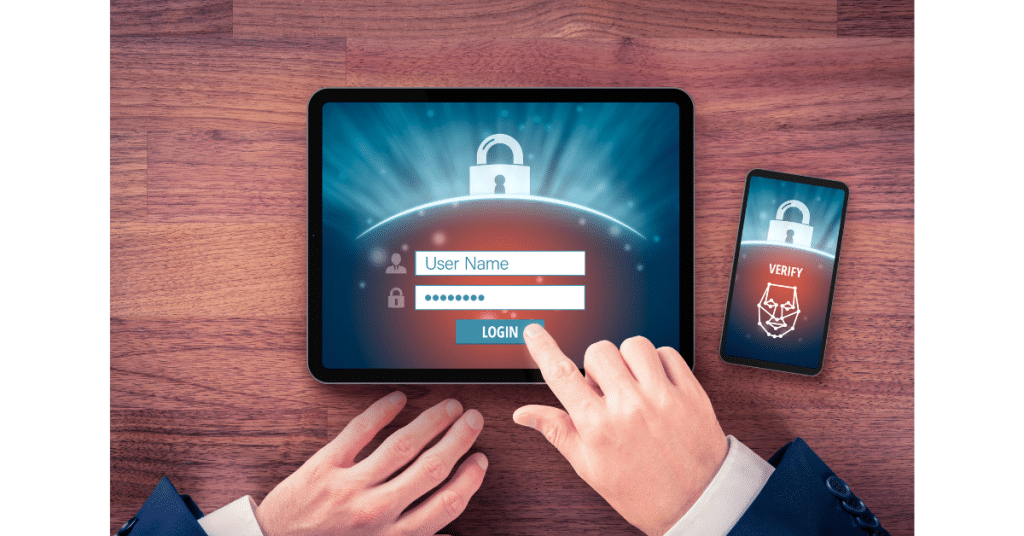
MFA is short for multifactor authentication, a security mechanism for verifying a user’s identity with multiple authentication factors before giving access to an account or system to them.
By providing an additional layer of security beyond simply a username and password combination, MFA aims to improve security.
Even if the username and password are stolen, it assists in preventing unauthorized access to important information.
// 01 Factors of MFA
Multiple factors are behind multifactor authentication some of which are listed below:-
- Knowledge Factor:- whatever the user can remember, like a PIN, password, or the answer to security questions.
- Possession Factor:- something the user owns, like a physical security token, Smart card, or a mobile authenticator where a unique code will be generated after every fixed time frame.
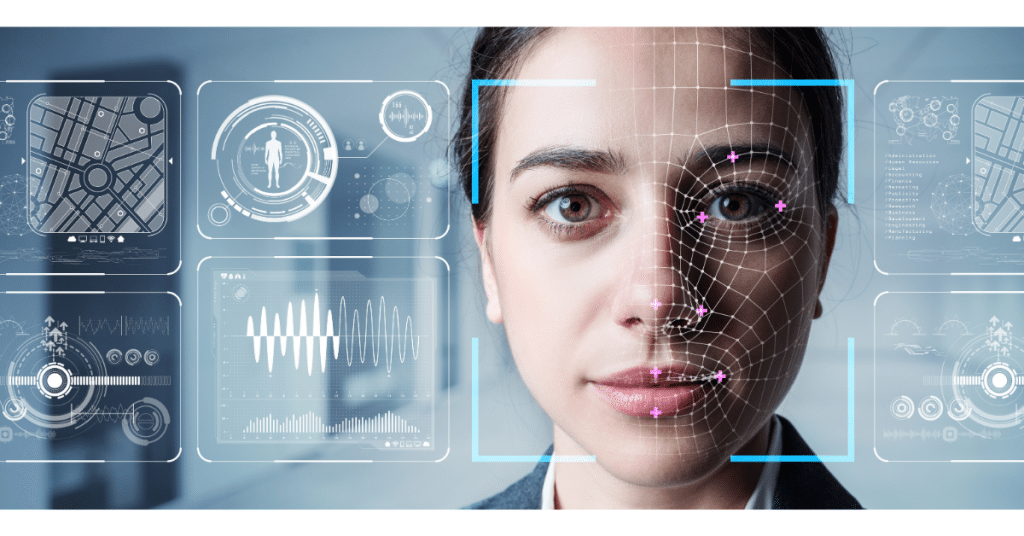
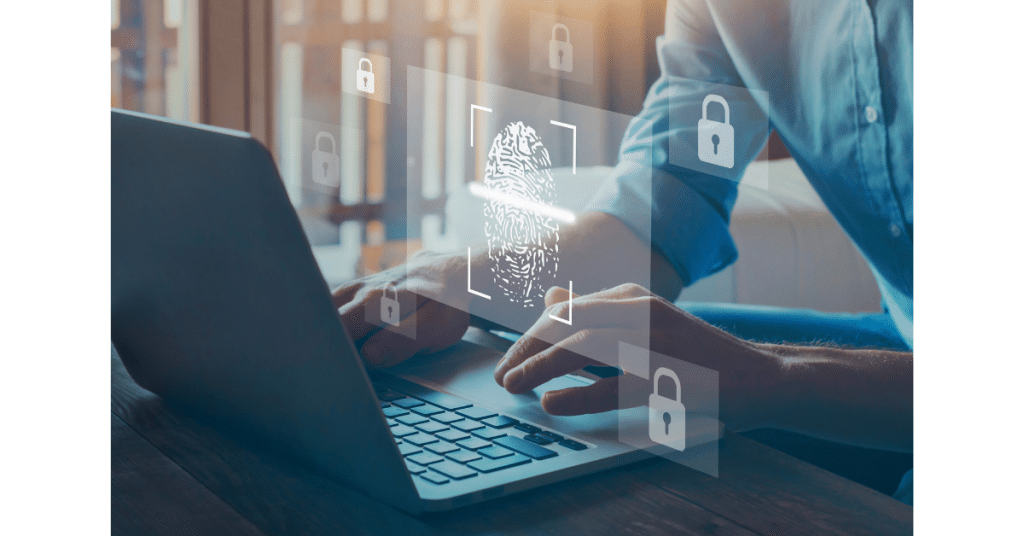
- Inherence Factor:- Things users have inherent in it like fingerprint, facial recognition, or voice recognition.
After Implementing MFA a user is typically prompted for providing a piece of additional information or to perform an extra step for verification after entering their username and password for accessing anything.
This extra step of verification could be completed by providing some confidential things that include a verification code sent to the user’s mobile, using a fingerprinting scanner, giving a mobile authenticator code, or responding to a push notification on a trusted device.
MFA greatly lowers the danger of unauthorized access by involving multiple factors authentication, as an attacker would need more than simply the user’s password to obtain permission.
To improve security and safeguard user accounts, it has grown in popularity and use across a variety of online businesses, including email providers, social media sites, and banking institutions.
// 02 Why MFA is Important for Security
There are several reasons for the importance of multifactor authentication. some important reasons are listed below:-
- Security Enhancement:- multifactor authentication adds another layer of security beyond a username and password combination. Even if an attacker manages to gain or crack a user’s password, they would still need to provide the additional factor (e.g., a verification code from a mobile device) to gain access. This particularly reduces the risk of unauthorized access to user accounts and sensitive data.
- Protection against Password-related Attacks:- MFA reduces the danger of a variety of password-related attacks, such as credential stuffing attacks and brute force attacks which involve continually attempting to guess passwords. Even if an attacker had the right password, they would be unable to access the account without a second security measure because MFA calls for a second factor.
- Defense Against Phishing:- Phishing attacks confuse users into disclosing their login information on fake websites or via suspicious emails. Even if a user unintentionally enters their username and password on a phishing website, MFA adds an extra degree of security because the attacker would still need the additional information to access the valid account.
- Compliance Requirements:- Regulatory frameworks and compliance standards frequently call for MFA, especially in fields that deal with sensitive data. For instance, the PCI DSS (Payment Card Industry Data Security Standard) requires the usage of MFA to safeguard credit card information.
- Mobile Device Protection:- Mobile devices, such as smartphones, which are frequently used for authentication, can be used with MFA. It gives the device itself an extra layer of security, making sure that even if someone manages to physically access the device, they would still require the second factor to enter into protected accounts.
// 03 How encryption helps MFA for making it more secure
Encryption is one of the security mechanisms used in Multi-Factor Authentication (MFA), although it is not the only one. Here are some details on the encryption MFA uses:
- Secure Communication:- MFA frequently uses channels of communication to send authentication tokens or verification codes from the user’s device to the service provider. In order to protect this communication from unauthorized interception and to guarantee the confidentiality and integrity of the transmitted data, encryption is used. For web-based applications, HTTPS (HTTP over SSL/TLS) and secure protocols like SSH (Secure Shell) or VPN (Virtual Private Network) are frequently used for secure communication.
- Token Encryption:- Tokens are sometimes employed as the second factor in MFA setups. These tokens might be hardware gadgets or software programs that create one-time passwords (OTP) with a time or event component. These tokens cannot be easily copied or altered thanks to the encryption methods and protocols used to secure them. Advanced Encryption Standard (AES) and HMAC-SHA1 (Hash-based Message Authentication Code with Secure Hash Algorithm 1) are two common encryption techniques used for OTP creation.
- Storage of Credentials:- User credentials, such as usernames, passwords, or encryption keys, may need to be stored in order to implement MFA. When these sensitive credentials are kept on servers or in databases, encryption is used to protect them. This ensures that the encrypted credentials will remain unreadable without the accompanying decryption key even if an attacker acquires unauthorized access to the storage. Commonly employed for this purpose are powerful encryption algorithms like AES.
- Compliance requirements:- Regulatory frameworks and compliance standards frequently call for MFA, especially in fields that deal with sensitive data. For instance, the PCI DSS (Payment Card Industry Data Security Standard) requires the usage of MFA to safeguard credit card information.
- Mobile Device Protection:- Mobile devices, such cellphones, which are frequently used for authentication, can be used with MFA. It gives the device itself an extra layer of security, making sure that even if someone manages to physically access the device, they would still require the second factor to enter into protected accounts.